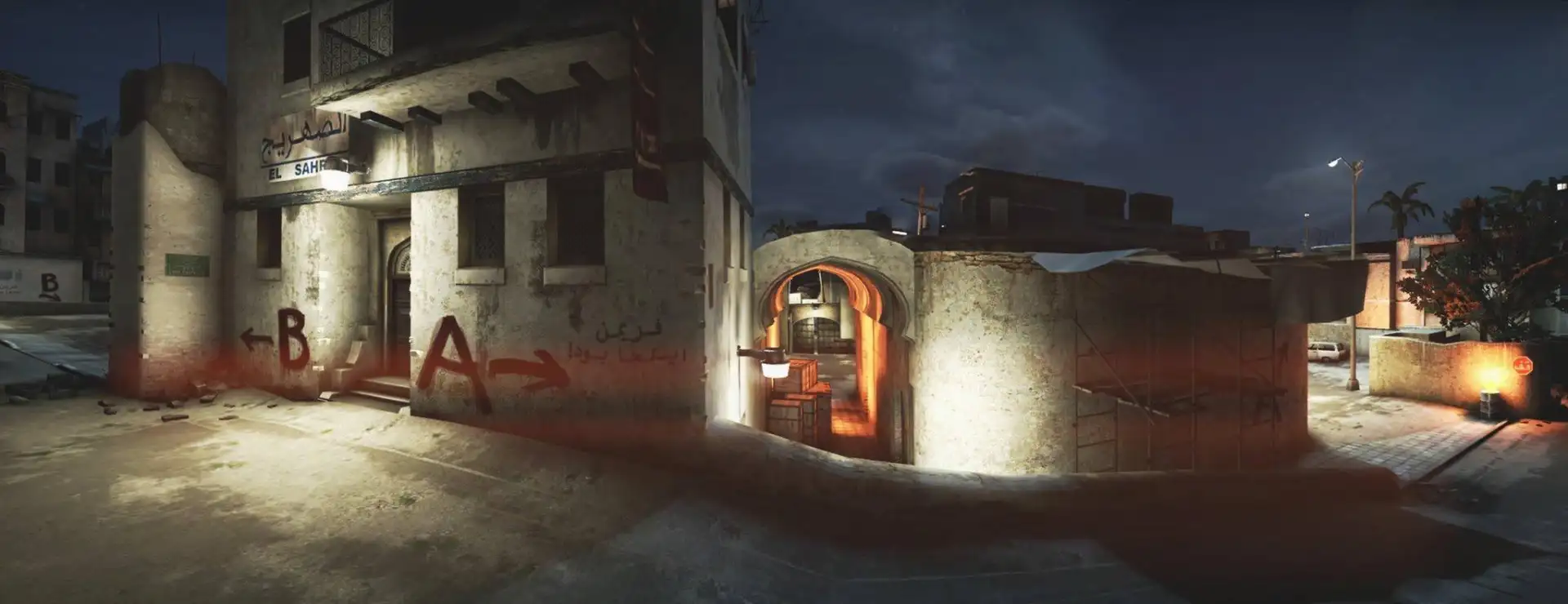
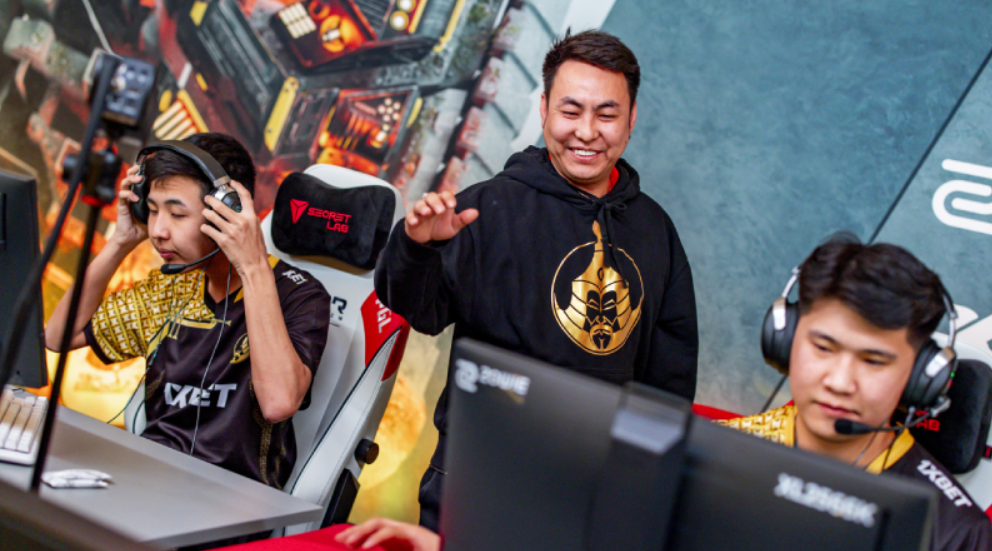
The BLAST Bounty Summer 2026 has wrapped up, leaving behind a trail of intense matches and a clear statistical footprint on the map pool. The data confirms that one classic map stood above all others in popularity, while another familiar battleground was left almost entirely on the sidelines.
The BLAST Bounty Summer 2026 tournament has concluded, and a detailed look at the map statistics reveals a clear favorite among the competing teams. This iconic battleground, despite facing significant criticism from a large portion of the community, dominated the map pool with a comfortable lead over its closest competitor.
The runner-up was Nuke, which was selected 14 times. The battle for the third spot was a tie, with both Ancient and Mirage being played on 13 occasions each. This data provides a concrete snapshot of the professional meta during this specific tournament, highlighting the strategic preferences of the world’s top teams.
The Dominance of Dust2 and the Top Map Picks
Dust2’s 18 appearances put it far ahead of the competition, a fact that is particularly noteworthy given the vocal criticism it receives. The map’s win-rate data shows a slight advantage for the Terrorist side, which secured 51.6% of round wins compared to the Counter-Terrorists’ 48.4%. This near-even split suggests that despite its popularity, the map offered a relatively balanced contest between attacking and defending sides.
In stark contrast, Nuke, the second most popular map with 14 plays, heavily favored the Counter-Terrorist side. The CTs won a commanding 61.9% of rounds, leaving the Terrorists with just a 38.1% win rate. This statistic points to Nuke being one of the most defense-sided maps in the active pool during the BLAST Bounty Summer 2026. The tied third-place maps, Ancient and Mirage, each with 13 appearances, presented different competitive profiles. Ancient showed a slight CT bias with a 51.9% win rate, while Mirage was nearly perfectly balanced, with the Terrorist side holding a marginal edge at 50.5%.
- Dust2 was the most-played map with 18 appearances, showing a slight Terrorist advantage with a 51.6% win rate.
- Nuke was the second most popular map with 14 picks and was heavily CT-sided, with defenders winning 61.9% of rounds.
- Ancient and Mirage tied for third place with 13 appearances each, with Ancient slightly favoring CTs (51.9%) and Mirage being nearly balanced (50.5% TR).
- Inferno was the least popular map, played only 6 times, but had the most balanced win-rate split at 50.4% for CTs and 49.6% for Terrorists.
The data also provides insight into the maps that fell out of favor during the tournament.
The Least Favored Maps and Their Performance
Further down the list, the newly reintroduced Cache was played 9 times. The map demonstrated a significant Counter-Terrorist advantage, with the CT side winning 57.4% of rounds. Anubis, which has struggled to gain popularity following changes made earlier in the year, was selected for 8 matches. It was the most Terrorist-favored map in the pool, with the attacking side securing 55.5% of round wins.
Bringing up the rear was Inferno, which was the least popular map of the tournament with only 6 appearances. Its win-rate data was remarkably balanced, with the CT side winning 50.4% of rounds and the Terrorist side winning 49.6%. This near-perfect equilibrium suggests that its low pick rate was not due to a perceived imbalance but rather a strategic avoidance by teams for other reasons.

| Map | Times Played | CT Win % | TR Win % |
|---|---|---|---|
| Dust2 | 18 | 48.4% | 51.6% |
| Nuke | 14 | 61.9% | 38.1% |
| Ancient | 13 | 51.9% | 48.1% |
| Mirage | 13 | 49.5% | 50.5% |
| Cache | 9 | 57.4% | 42.6% |
| Anubis | 8 | 44.5% | 55.5% |
| Inferno | 6 | 50.4% | 49.6% |
The map statistics from the BLAST Bounty Summer 2026 offer a definitive look at the competitive landscape during the event. Dust2’s position as the most-played map, with 18 appearances, underscores its enduring, if controversial, presence in the professional circuit. The data also highlights the strong defensive nature of Nuke and the balanced play on Ancient and Mirage. Meanwhile, the lower pick rates for Cache, Anubis, and especially Inferno suggest a shifting meta where teams are actively avoiding certain maps. This distribution of map picks is a key factor in understanding the strategies and outcomes of the tournament.

Comments