
Stake Pulse Beat II begins in Stockholm on September 21, bringing 16 Counter-Strike 2 teams together for a six-day LAN tournament. The field includes Astralis, HEROIC, 100 Thieves, fnatic and Virtus.pro, but the format gives every participant the same immediate objective: finish in the top two of a four-team group and claim one of eight playoff places.
The competition runs through September 26 and carries a $60,000 prize pool. All group and playoff matches are scheduled as best-of-three series. That removes the volatility of single-map openers while still leaving little room for a slow start, because each GSL group can eliminate a team after two defeats.
The final roster of teams differs from the field first announced in August. Organizers originally selected 14 sides from open registration using the August 3 Valve Regional Standings, then reserved two places for a qualifier. The current event page lists JiJieHao and Eternal Fire in a field where EYEBALLERS and INFINITE appeared in the initial announcement, making the live event listing the relevant reference for the tournament that is actually beginning.
The opening schedule quickly puts recognizable names under pressure. Astralis face Sangal in a Group A best-of-three at 12:00 on September 21, while Sashi meet FOKUS at the same time. Winners and elimination matches are listed for 15:00, followed by a decider at 18:00. One group can therefore move from its first round to a complete playoff verdict within a single day.
How the Stockholm field reaches the playoffs
Stake Pulse Beat II uses four GSL groups. A team that wins its opener moves into a winners match, while an opening defeat sends it into an elimination match. The winners match awards a playoff place; the elimination match removes one team; and the remaining two sides meet in a decider for the group’s second berth. With every series played as a best-of-three, advancement requires at least two complete match wins rather than one isolated upset.
The 16-team field mixes established international organizations with teams seeking a valuable LAN run. Astralis, HEROIC, 100 Thieves, fnatic, Virtus.pro and Eternal Fire supply much of the recognizable top-level experience. JiJieHao, FOKUS, Betclic, BBL, Sashi, Johnny Speeds, EAC, Phantom, ASTRAL and Sangal complete a lineup in which eight teams will survive the group stage.
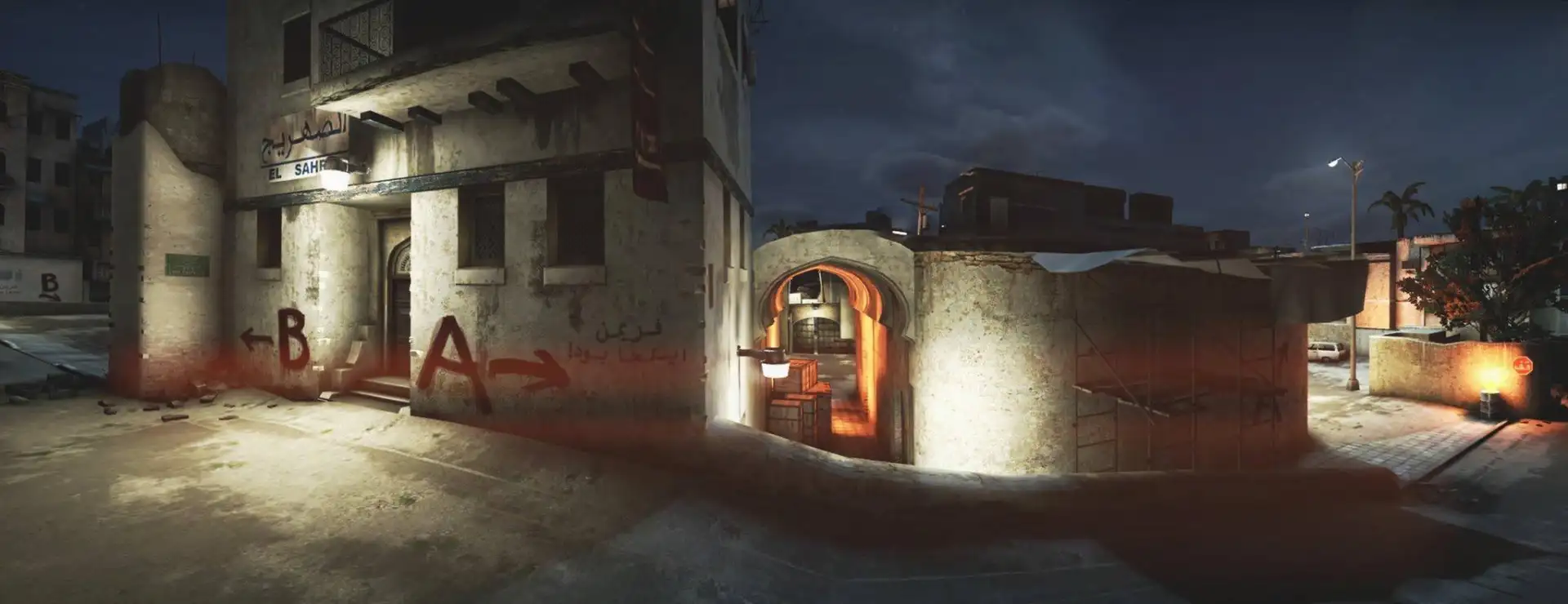
The seven-map pool consists of Cache, Dust2, Mirage, Inferno, Nuke, Ancient and Anubis. A best-of-three format means veto depth can matter from the opening round onward: teams need a dependable pick, a workable response to the opponent’s selection and enough preparation for a potential decider. That test becomes more demanding when a group is completed on a compressed schedule.

- Dates and location: September 21-26 at a LAN event in Stockholm, Sweden.
- Field: 16 teams competing for eight positions in the single-elimination playoffs.
- Match format: best-of-three series throughout both the GSL groups and the playoffs.
- Map pool: Cache, Dust2, Mirage, Inferno, Nuke, Ancient and Anubis.
The structure gives the group stage two different kinds of pressure. An opening win creates a direct route through the winners match, but losing once is recoverable. A second defeat ends the tournament. This makes the lower side of each group especially significant, because a team can be required to win consecutive best-of-three series after beginning the day poorly.
The event also has a ranking consequence beyond its cash prizes. The original announcement highlighted Valve Regional Standings points ahead of the November 2 cutoff for PGL Major Singapore. That context gives every placement practical value, especially for teams whose position near the qualification boundary can move through late-season LAN results.
A $60,000 prize pool rewards more than the finalists
The champion receives $20,000, while the runner-up earns $8,000. Each semifinalist takes $6,000, and every team finishing from fifth through eighth earns $4,000. The ninth-to-twelfth places receive $1,000 each. Those allocations account for the full $60,000 pool and reward every team that either reaches the playoffs or finishes immediately outside them.
The distribution makes group advancement particularly valuable. Reaching the last eight guarantees at least $4,000, four times the listed payment for a ninth-to-twelfth finish. Winning one playoff match raises the award to $6,000, while reaching the final creates a further separation between the champion and runner-up.
Participation also carried a direct cost under the initial event terms. The August announcement described a $3,000 tournament package covering accommodation, practice facilities, meals, local transport and event access. The prize structure therefore matters not only as a headline total but as a concrete return for teams committing to the Stockholm LAN.

| Finish | Teams | Prize per team | Combined allocation |
|---|---|---|---|
| Champion | 1 | $20,000 | $20,000 |
| Runner-up | 1 | $8,000 | $8,000 |
| Third-fourth | 2 | $6,000 | $12,000 |
| Fifth-eighth | 4 | $4,000 | $16,000 |
| Ninth-twelfth | 4 | $1,000 | $4,000 |
Stake Pulse Beat II starts with a clearly defined route: two wins in a GSL group secure one of eight playoff positions, while two losses end a team’s run. The best-of-three requirement across the event should favor prepared map pools and reduce the chance that one surprise result determines an entire campaign.
With 16 teams, six competition days and a $60,000 prize pool, the Stockholm tournament offers both immediate rewards and ranking value. Group A starts the qualification process on September 21, and by September 26 the single-elimination bracket will have produced one champion.



Comments