YEKINDAR is no longer FURIA’s primary caller, with FalleN taking the main in-game leadership duties back after the team tested a divided system. The Latvian rifler explained the change after FURIA’s StarSeries Fall victory over MIBR. He can still contribute mid-round ideas and small adjustments, but the responsibility for the overall plan and difficult situations has returned to FalleN.
The experiment had placed YEKINDAR in charge of the T sides on Anubis, Cache and Ancient. It was partly connected to FURIA’s longer-term preparation for FalleN’s expected retirement at the end of the year. The team now appears to have separated preparation for that future from the immediate need to stabilise its game, allowing YEKINDAR to concentrate on his current role as a rifler.
YEKINDAR did not present the decision as a breakdown in cooperation. He described in-game leadership as a role he may want later in his career, while making clear that he does not want to carry it now. Calling forces extra decisions in every round: the leader must track the plan, read the opponent, manage limited information and still perform individual tasks. For a player expected to create space and take difficult fights, that load can alter the value he brings to the lineup.
FalleN’s return does not mean every voice except his has been removed. YEKINDAR said he can still call something he sees and make micro adjustments. The important change is the hierarchy. FalleN again owns the main ideas and the most demanding situations, so the team has a clear final decision-maker when a round moves away from its opening plan.
Why FURIA ended the split-calling trial
The original trial addressed a real issue. FURIA know that FalleN has discussed retiring, and a team built around an experienced caller cannot wait until the last moment to consider succession. Giving YEKINDAR selected T sides created a practical test rather than a theoretical conversation. Anubis, Cache and Ancient offered repeated situations in which he had to set the attacking structure and react to defenders.
The test also revealed the cost. YEKINDAR said that calling creates too much stress for him at this stage, describing the physical pressure in terms of cortisol. That assessment is relevant because an in-game leader is not only responsible for one good tactical read. The job must remain sustainable across practice, preparation, travel and long tournament days. A system that weakens one of the team’s main riflers can solve a future problem while creating a present one.
Returning the role to FalleN is therefore a performance decision rather than a rejection of YEKINDAR’s understanding of the game. He has experience communicating ideas and reading space, and FURIA can continue using that information. The adjustment removes the requirement that every difficult round ultimately become his responsibility.
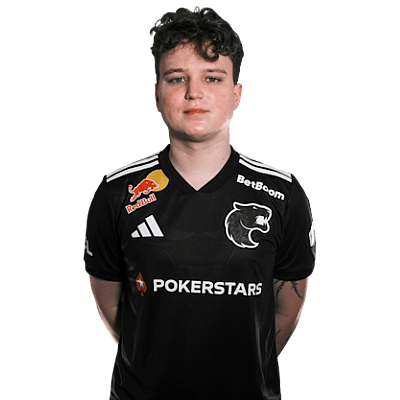
- YEKINDAR had been calling FURIA’s T sides on Anubis, Cache and Ancient.
- FalleN has taken the main responsibility back, including the overall plan and difficult situations.
- YEKINDAR may still suggest calls and make micro adjustments during rounds.
- The rifler views in-game leadership as a possible later-career role, not his preferred job now.
The timing also reflects FURIA’s broader attempt to recover their chemistry. Before StarSeries Fall, YEKINDAR said the team had been working through its problems one by one after a demanding schedule and uneven results. He acknowledged that FalleN’s expected retirement could affect the group even when players try to focus only on the next match.
That context makes a clear chain of command especially valuable. Uncertainty about the future can pull attention away from current opponents; uncertainty inside a live round is even more immediate. Restoring FalleN as the primary voice gives the present lineup a familiar reference point while FURIA continue discussing what happens after his departure.
The change clarifies the present, not the succession plan
FalleN taking maps back does not identify FURIA’s next permanent caller. It only establishes who leads the current version of the team. YEKINDAR’s comments leave open the possibility that he could revisit the position later, when his priorities and experience are different, but they do not support presenting him as the confirmed successor.
For now, the division is straightforward. FalleN leads the structure, handles the hardest decisions and carries the main strategic responsibility. YEKINDAR supplies information, can initiate an adjustment when he sees one and remains involved in the team’s collective problem-solving. That is a conventional secondary-calling role rather than a silent one.
FURIA still have to prove that the clearer structure improves their results. Leadership alone cannot repair every issue in chemistry, spacing or individual form. The decision does, however, remove an avoidable complication: a player who did not want the full job is no longer being asked to combine it with the demands of his rifling role.
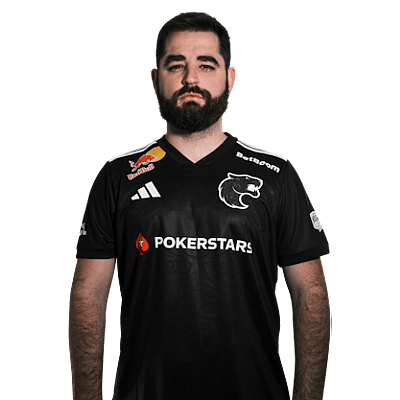
| Area | During the trial | Current arrangement |
|---|---|---|
| Main caller | Duties split by map and side | FalleN |
| YEKINDAR’s responsibility | T sides on Anubis, Cache and Ancient | Ideas and micro adjustments |
| Difficult situations | Part of the divided workload | Primarily FalleN |
FURIA’s trial gave YEKINDAR direct experience with primary calling, but the team has chosen clarity over continuing the experiment. FalleN is again responsible for the central plan, while YEKINDAR returns his attention to rifling and secondary input.
The move addresses the current lineup without pretending that the post-FalleN solution is settled. FURIA have learned that YEKINDAR can contribute to calls, and also that he does not want to be the full-time leader at this point in his career.
Comments