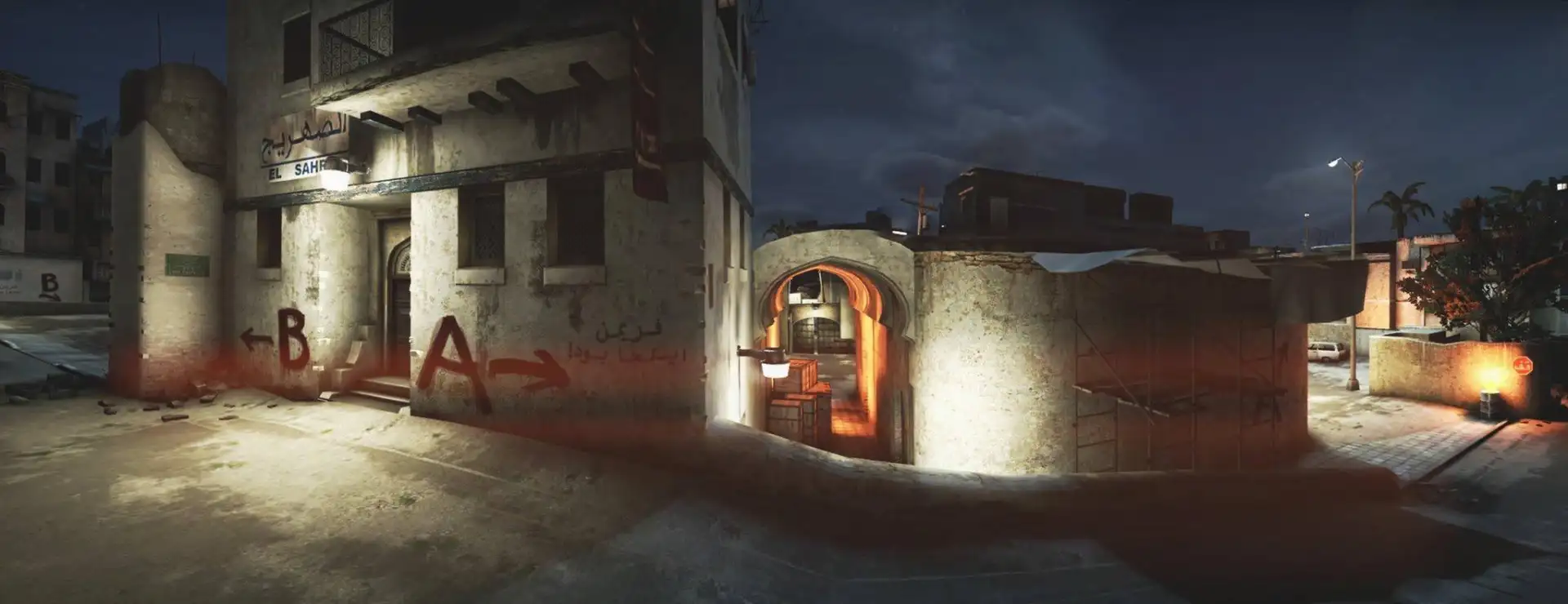
After two days of downtime, Counter-Strike 2 has rolled into Season 5 with a revamped Active Duty map pool and a C4 that no longer works the way it has since the early 2000s. Cache replaces Overpass for the first time in seven years, bringing back a map defined by wide mid control and structured B site executes. Overpass had been in the rotation since 2019 and had started to feel predictable; swapping it out gives teams a new fixture to theory-craft around heading into the next Major cycle.
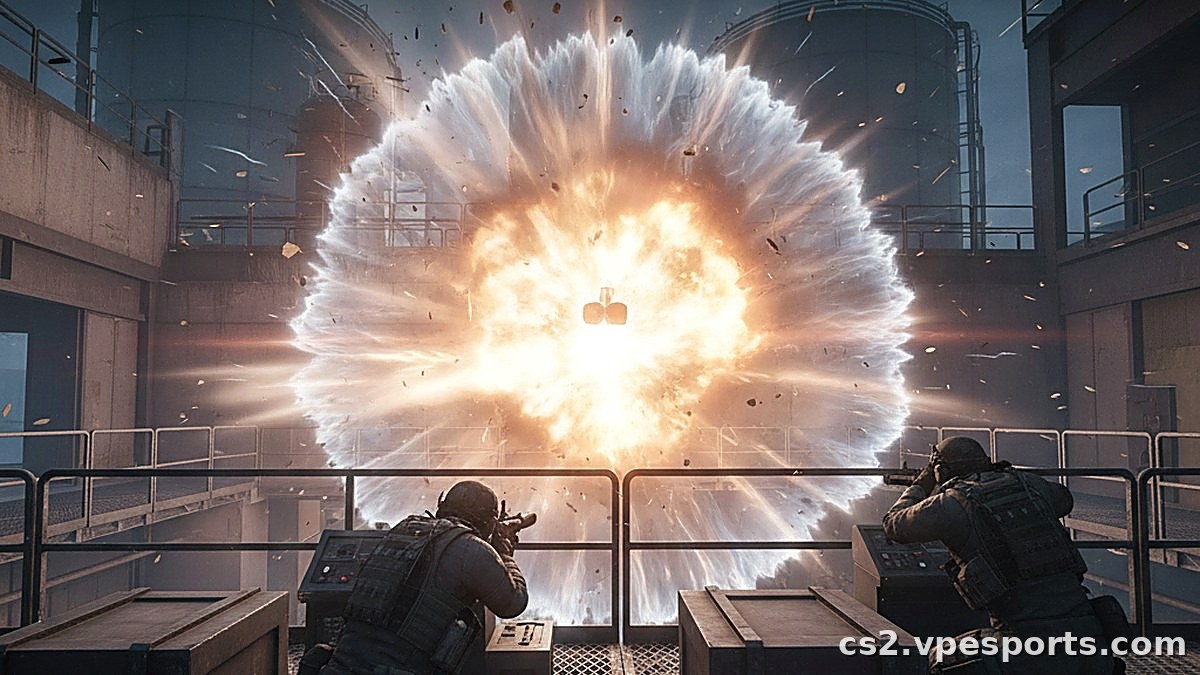
Valve also overhauled the bomb explosion mechanic. Instead of radial damage that falls off with distance, the C4 now checks how many walls separate a player from the blast. A visible shockwave radiates outward over roughly 0.4 seconds, giving a brief window to move away. Every player on the map takes exactly 1 HP of unavoidable chip damage regardless of position, but the key difference is that hard cover now matters more than raw range.
Cache returns and bomb physics change in Season 5
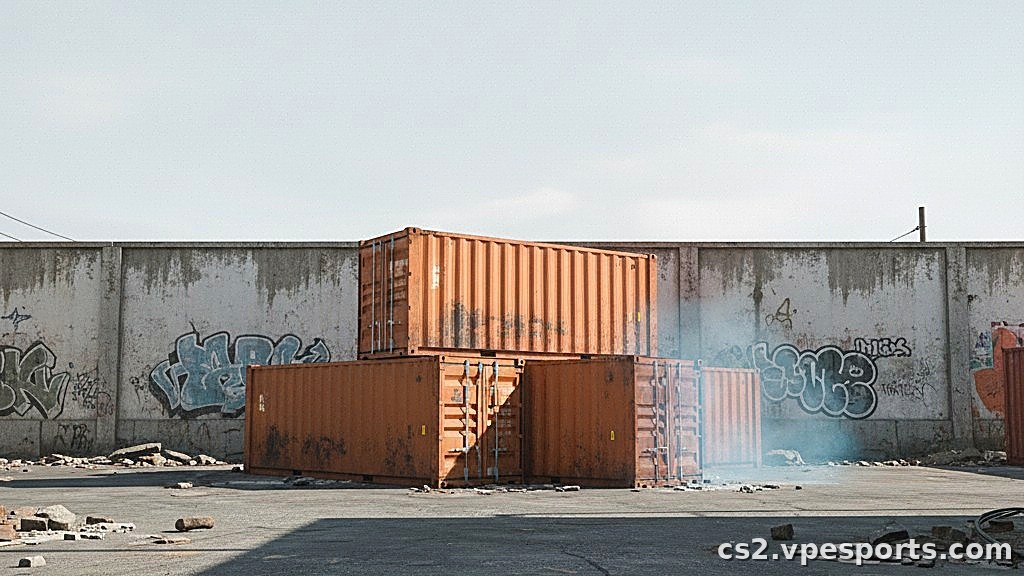
Volumetric damage changes default holds and retakes
This is the most aggressive change to the C4 since CS2 replaced CS:GO. Valve has tuned bomb radius and damage falloff over the years, but shifting to obstruction-based calculation introduces geometry as a new variable. A single thin wall can absorb most of the shockwave, while being in the open far away now kills faster than before. Map knowledge becomes more valuable; players who know the exact cover layers between positions can survive where they previously could not.
Early survival spots already emerging in Premier
High-level Premier players and pro teams are testing which corners now offer unexpected safety. On Nuke, standing on A site while the bomb is planted B is survivable — previously a guaranteed death. On Inferno, players hiding in the Church can absorb most of the blast from B site. Early Dust II tests show that the A site cubby is no longer a sure kill when the bomb is at B, because a double-wall corridor filters the shockwave. Valve has not said whether these spots are intentional or bugs, so the meta could shift again with hotfixes.
- Bomb damage calculated volumetrically — walls between you and the explosion reduce damage; proximity alone no longer decides survival.
- A visible shockwave travels from the C4 over roughly 0.4 seconds, giving players a brief chance to reposition.
- All players take exactly 1 HP of guaranteed damage from each bomb detonation, regardless of map position.
- Notable new survival zones: Nuke A site when bomb is at B, and Inferno Church when bomb is at B — both were instant kills before.
Premier reset and two new skin collections
All Premier ratings have been wiped, so every player must complete 10 placement matches to earn a new rank. Season 5 also brings Cache back into the Active Duty lineup, replacing Overpass. Cache was a staple of the old CS:GO circuit, known for its wide mid control and tight B site executes. The Armory received two new weapon collections, though Valve has not detailed the skins.
| Feature | Before Season 5 | After Season 5 |
|---|---|---|
| Bomb damage calculation | Radial proximity-based | Volumetric (walls/cover matter) |
| Shockwave | Instant damage application | Delayed wave with visual cue |
| Minimum damage | 0 HP at far distance | 1 HP guaranteed everywhere |
| Active Duty map pool | Overpass included | Cache replaces Overpass |
| Premier rank | Season 4 rank active | Reset, 10 placements required |
| Armory additions | Previous collections | Two new weapon collections |
The bomb rework alone will take weeks to fully map out, and Cache’s re-entry into the pool means tier‑1 squads, FPL grinders, and Premier players all need to rethink default setups and retake protocols immediately. Every team preparing for the next Major now faces two simultaneous unknowns: new explosive physics that reward cover knowledge, and a map that has not been in the active rotation since 2019.



Comments