
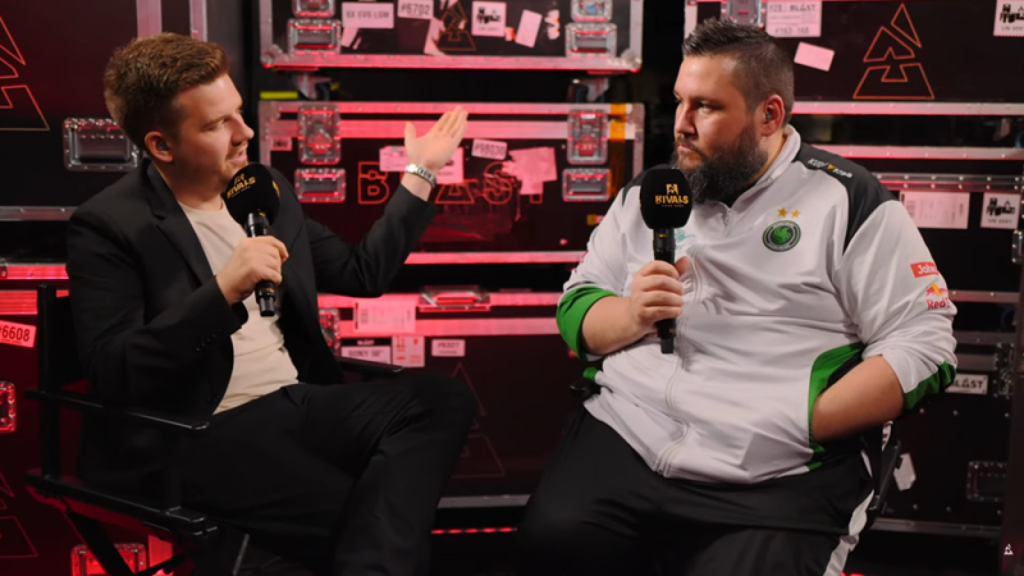
G2 Valorant dropped their EWC 2026 elimination series against Nongshim RedForce after wasting multiple map and series advantages, a collapse that trent bluntly framed as a symptom of a bigger problem. Speaking with Insider Gaming, he dismissed the value of regional success entirely: the only measure that counts is an international trophy. The early exit follows a chaotic London campaign where illness ravaged the roster, and now G2 heads into Stage 2 with zero global hardware to show for years of domestic dominance.
Nongshim RedForce, a Pacific squad that has steadily upgraded its firepower, punished every G2 misstep ruthlessly. This was not a one-off—trent acknowledged the pattern: loose play that works in Americas becomes fatal against teams that capitalize on the smallest openings. The EWC, freshly relocated to Paris and drawing over 100,000 ticketed attendees, turned G2’s weaknesses into a public spectacle. For trent, the math is simple: adapt quickly or get left behind. He expects nothing less from himself than constant improvement toward that elusive international title.
Role Overhaul and the Duelist Meta Squeeze
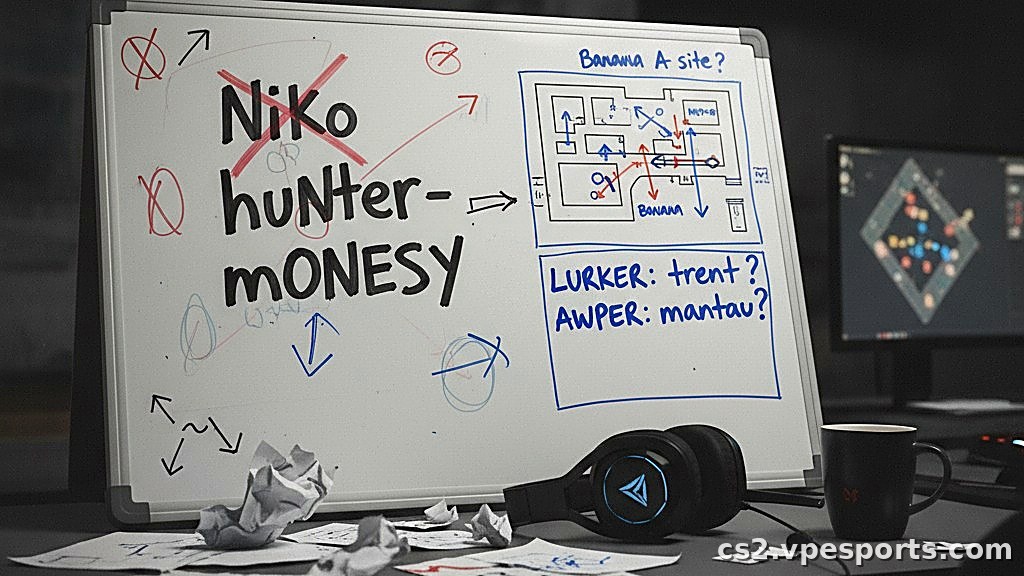
Coming out of London, G2 tore up their old compositions. The double-controller setup that defined their London campaign vanished. Instead, the coaching staff installed babybay as a full-time duelist, flipping roles for jawgemo and leaf alongside trent to match the emerging double-duelist environment. They had roughly seven days to teach everyone new positions before flying to Paris. That is a brutal turnaround for any high-level squad, especially one trying to build chemistry from scratch while also navigating the strongest agents in the pool.
trent zeroed in on the duelist problem directly. He described a meta where almost every duelist is overpowered, making utility the top priority in every round. If a duelist lands their util, the round becomes drastically easier. If they miss or are caught out of position, it is a gamble. G2 lost too many of those gambles against Nongshim. The team is still adjusting to the new identity, and trent admitted the errors were self-inflicted. He does not attribute the losses to nerves or pressure, only to execution gaps that must be closed before Stage 2 begins.
Domestic Dominance vs. International Reality
trent’s candor cuts through typical player non-answers. He directly stated that G2 believes they outclass every Americas team, but that does not help overseas. Regional mistakes vanish because opponents are weaker; internationally, every error gets punished. This gap shows up in their record: consistent top seeds at home, early exits abroad. He refuses to accept complacency as an excuse, since the team has never won a global event to rest on. That hunger keeps him practicing daily, but it does not erase the sting of another tournament cut short.
- G2 held series point on multiple occasions during the Nongshim series but could not close out any of them; one round ended with a 1v3 clutch going the Korean team’s way.
- After London’s illness-hit run, G2 changed three players’ primary roles and tested a new composition direction with just over a week of scrims.
- trent explained that duelist util is the deciding factor in most rounds: if it lands, you win; if it fails, you lose—and G2 failed too often against Nongshim.
- The team’s approach to Stage 2 practice will focus on late-round decision-making and minimizing the mistakes that become fatal at international tournaments, not on major roster changes.
G2 faces a simple but brutal path forward. They are already a top Americas team; that part is proven. But international success demands another level of discipline that has not yet materialized. trent acknowledges the pressure is self-imposed—no outside force, only the internal drive to win something that matters. The VCT Americas Stage 2 field includes improving rosters from teams like Sentinels and NRG, but the real test will come at Champions. If G2 cannot clean up the utility management and clutch play that cost them against Nongshim, trent’s honest assessment will remain true: regional wins are just qualifiers, not destinations.

Comments